
1. How far can RFID tags be read?
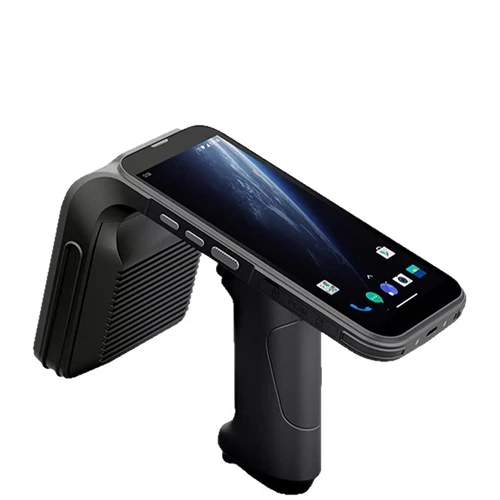
Reading distance varies by frequency, tag design, chip sensitivity, reader power, antenna configuration, and surrounding materials. Depending on the product and conditions, LF and HF tags are generally used at shorter distances, while UHF tags can support readings over several meters. Some UHF models may achieve longer distances under suitable conditions. Actual performance should be verified through testing in the intended environment.
2. Are ABS RFID tags waterproof and suitable for outdoor use?
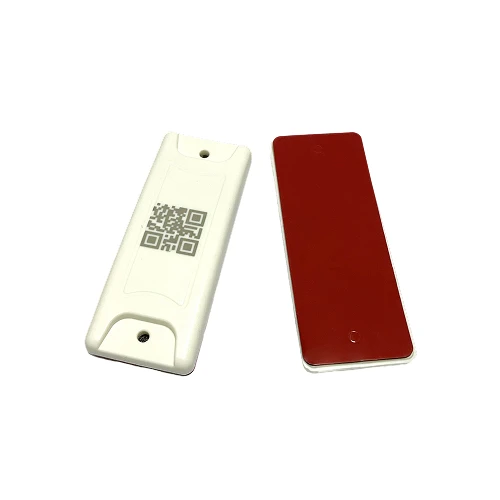
Selected ABS RFID tag models offer an IP68 protection rating against dust and water ingress and can be used for suitable outdoor asset management applications. They typically operate within a temperature range of approximately -20°C to +65°C. Installation options may include adhesive backing, screws, cable ties, electronic seals, or clips, depending on the model.
3. What are the advantages of PPS RFID tags?
PPS RFID tags made with integrated injection-molded construction can offer high-temperature resistance, chemical resistance, and impact resistance. Certain models can withstand temperatures from approximately -40°C to +200°C and are suitable for demanding applications such as industrial asset tracking, high-temperature washing processes, and concrete-related environments. Anti-metal designs are also available for suitable applications.
4. What is an RFID electronic seal tag used for?
RFID electronic seal tags combine identification and tamper-evident functions. Designed for one-time use, they become invalid or indicate tampering if the seal is broken, depending on the product design. Typical applications include logistics containers, valves, and goods requiring security checks or traceability.
5. Can RFID tags be customized with logos and serial numbers?
Yes. Selected PCB, FPC, and housing-style RFID tags support laser marking, surface coding, and logo printing. For bulk orders, customized housing colors may also be available. Customization options depend on the tag structure, material, and production requirements.
6. What is the difference between dry inlays and wet inlays?
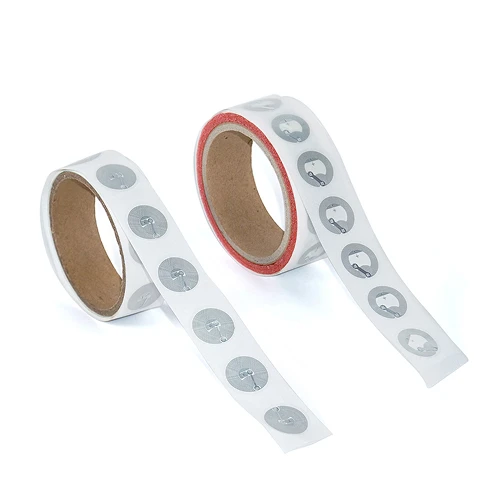
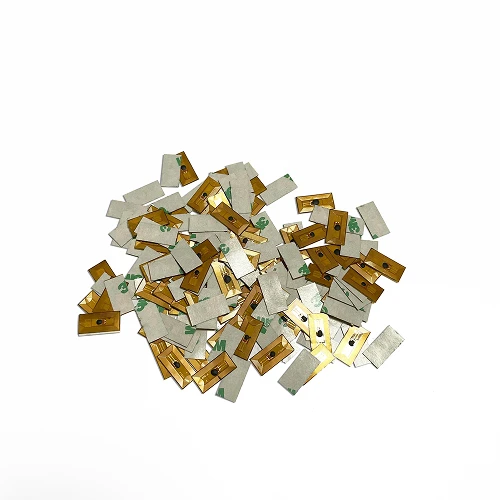
A dry inlay typically consists of an RFID antenna and chip mounted on a PET substrate, without an adhesive backing. It is commonly used as an inlay embedded inside PVC cards or other products. A wet inlay includes an adhesive layer, allowing it to be applied directly to suitable surfaces or integrated into compatible tag housings.
Si está interesado, deje su información.
Contáctenos
Teléfono: +86 188 0203 4346
Correo electrónico: card003@jzcards.com
WeChat: +86 188 0203 4346
Dirección: Edificio 5, Invesco Creative Park, n.º 14, Lixin 12th Road, distrito de Zengcheng, ciudad de Guangzhou, provincia de Guangdong