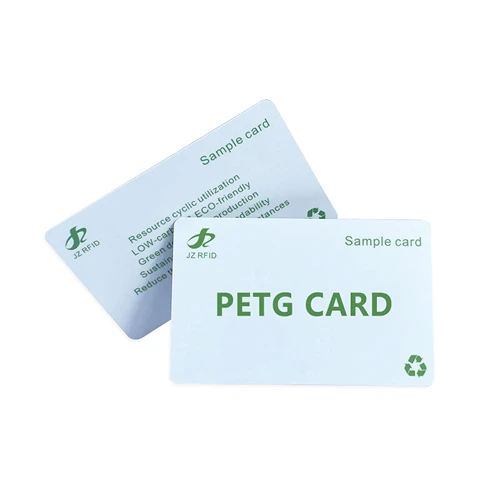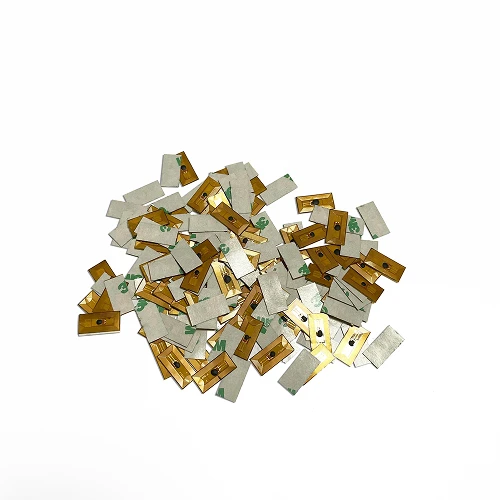

1. ¿Qué chips RFID pueden proporcionar?
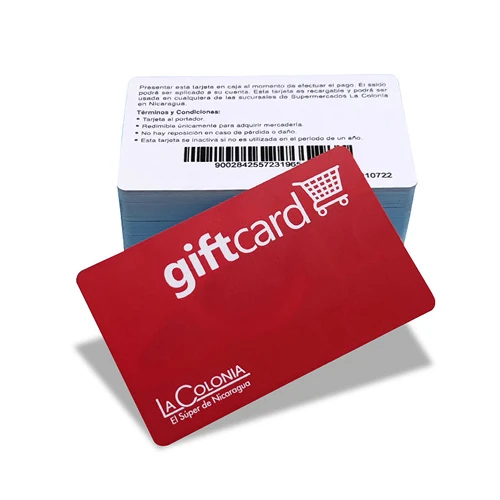
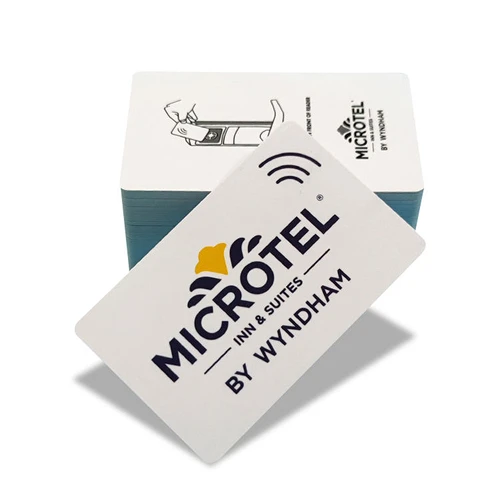
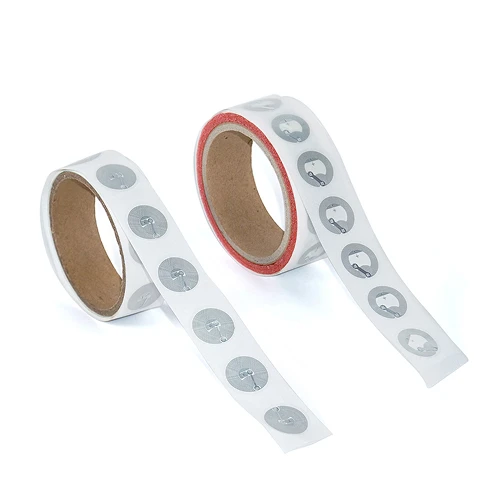
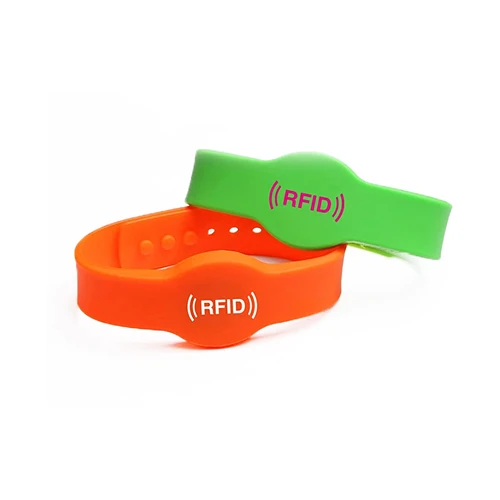
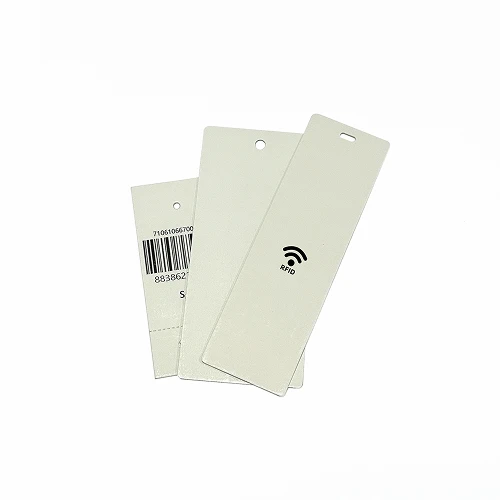
Podemos ofrecer diferentes opciones de chips RFID/NFC según los requisitos de la aplicación, incluidas soluciones LF, HF/NFC y UHF. Nuestro equipo puede recomendar el chip apropiado según la distancia de lectura, la capacidad de la memoria, el entorno operativo y la compatibilidad del sistema.
2. What is the difference between PCB and FPC RFID tags?
PCB RFID tags use rigid circuit boards and are suitable for fixed equipment and asset management. They can support anti-metal designs and withstand temperatures of approximately 150–200°C, depending on the model. FPC RFID tags feature flexible circuits that can bend to fit curved or irregular surfaces. Their temperature resistance depends on the specific model and exposure duration.
3. What is the difference between LF, HF, and UHF RFID tags?
RFID tags generally operate in three frequency ranges:
LF (125–134 kHz): Short reading distances, commonly used for animal identification and certain access control or tool management applications.
HF (13.56 MHz): Used for contactless cards, NFC applications, libraries, and document management, depending on the protocol.
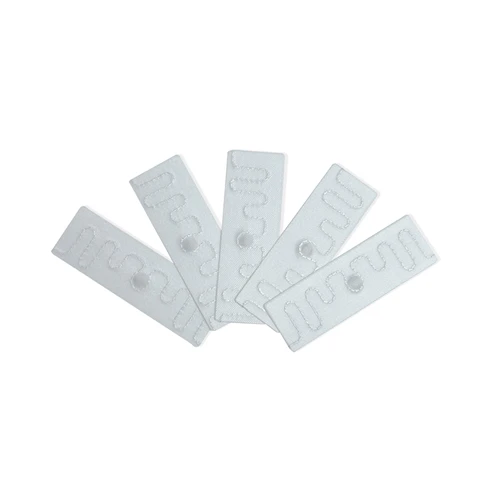
UHF (860–960 MHz): Supports longer reading distances and multiple-tag reading, making it suitable for warehouse inventory, asset tracking, laundry management, and pallet identification.
The appropriate frequency depends on the reader, application, operating environment, and required reading distance.
4. How far can RFID tags be read?
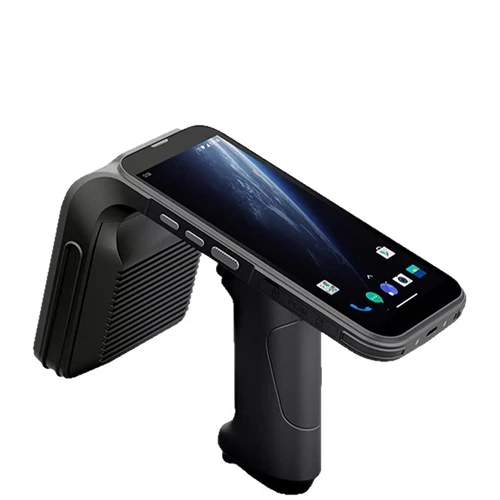
Reading distance varies by frequency, tag design, chip sensitivity, reader power, antenna configuration, and surrounding materials. Depending on the product and conditions, LF and HF tags are generally used at shorter distances, while UHF tags can support readings over several meters. Some UHF models may achieve longer distances under suitable conditions. Actual performance should be verified through testing in the intended environment.
5. Are ABS RFID tags waterproof and suitable for outdoor use?
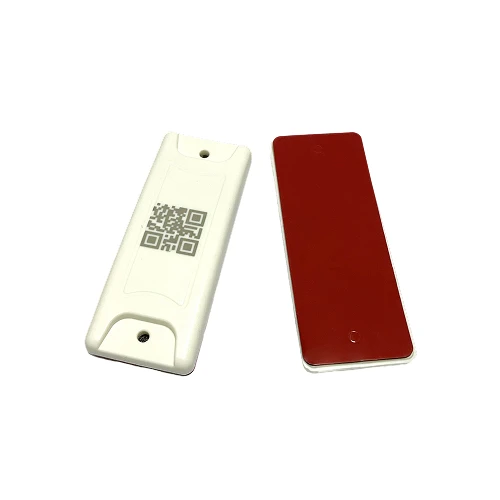
Selected ABS RFID tag models offer an IP68 protection rating against dust and water ingress and can be used for suitable outdoor asset management applications. They typically operate within a temperature range of approximately -20°C to +65°C. Installation options may include adhesive backing, screws, cable ties, electronic seals, or clips, depending on the model.
6. What are the advantages of PPS RFID tags?
PPS RFID tags made with integrated injection-molded construction can offer high-temperature resistance, chemical resistance, and impact resistance. Certain models can withstand temperatures from approximately -40°C to +200°C and are suitable for demanding applications such as industrial asset tracking, high-temperature washing processes, and concrete-related environments. Anti-metal designs are also available for suitable applications.
Si está interesado, deje su información.
Contáctenos
Teléfono: +86 188 0203 4346
Correo electrónico: card003@jzcards.com
WeChat: +86 188 0203 4346
Dirección: Edificio 5, Invesco Creative Park, n.º 14, Lixin 12th Road, distrito de Zengcheng, ciudad de Guangzhou, provincia de Guangdong